
Procedure Type
SurgicalProcedure Duration
1 - 3 HoursHospital Stay (Days)
No need to stayBrow lift surgery in India is a cosmetic procedure designed to raise low or sagging eyebrows and reposition the tissues of the forehead. Also known as a forehead lift or browplasty, the procedure can help create a more open, refreshed appearance while maintaining natural facial proportions.
India offers access to plastic surgery services, different brow-lifting techniques, and potentially competitive treatment costs. For international patients from the Middle East, Africa, and CIS countries, MedTripz helps simplify the process of arranging consultations, comparing treatment estimates, and coordinating medical travel.
The appropriate procedure depends on facial anatomy, brow position, hairline characteristics, skin quality, and the patient's aesthetic goals.
A brow lift raises and repositions the eyebrows and underlying forehead tissues. Ageing, inherited facial features, and changes in skin elasticity can cause the brows to descend, sometimes creating a tired, stern, or heavy appearance.
During surgery, the surgeon adjusts the tissues responsible for brow position and secures them in an elevated position. Depending on the technique, small incisions may be concealed within the hairline or placed near the eyebrows.
The goal is a balanced result that complements the patient's facial structure rather than producing an excessively raised or unnatural brow.
Brow lift surgery may be considered by adults who:
Have low or sagging eyebrows.
Notice heaviness around the upper forehead.
Have an uneven brow position.
Want to soften a persistently tired or stern appearance.
Are in suitable general health and understand the procedure's limitations.
A consultation is essential to determine whether the concern arises primarily from brow position, excess eyelid skin, or another anatomical factor. A brow lift does not correct every cause of upper-eyelid heaviness, and a different procedure may be more appropriate for some patients.
An endoscopic brow lift uses several small incisions, usually within the hairline. A thin camera helps the surgeon view the underlying tissues while specialized instruments reposition and secure them.
This approach can limit incision length and may reduce visible scarring compared with some traditional techniques. Suitability depends on brow anatomy, forehead characteristics, and the amount of lifting required.
A temporal brow lift primarily elevates the outer portion of the eyebrows. Incisions are generally positioned near the temples or within the hairline.
It may suit patients whose main concern is drooping at the outer brow rather than a broader descent across the forehead.
A coronal brow lift uses a longer incision across the scalp, usually behind the hairline. The forehead tissues are lifted and repositioned through this access.
Although it can provide substantial correction, the incision length, scalp sensation, and potential changes in hairline position must be considered carefully.
A direct brow lift removes a small amount of skin immediately above the eyebrow to raise its position. It can be useful in selected cases, but the resulting scar may be more visible than with approaches that place incisions within the hairline.
A hairline brow lift places the incision along the boundary between the forehead and hairline. It may be considered for patients with a high forehead when lowering or maintaining the hairline is an important part of planning.
The best technique is determined individually rather than selected solely on the basis of price.
The surgeon reviews medical history, medications, allergies, previous procedures, hairline characteristics, facial symmetry, and expectations. Photographs and facial measurements may help with planning.
Depending on the technique and clinical circumstances, surgery may use local anesthesia with sedation or general anesthesia.
The surgeon makes the planned incisions, adjusts the forehead tissues and supporting structures, and secures the brows in their intended position. The incisions are then closed.
After surgery, the patient is observed for bleeding, pain, swelling, and anesthesia-related effects. A dressing or temporary drain may be used when necessary.
The procedure commonly takes around one to three hours, depending on its complexity and the chosen technique.
In addition to the indicative estimates above, the final quotation may depend on several factors.
Surgical technique: Endoscopic, temporal, direct, and coronal approaches involve different equipment, operating time, and surgical requirements.
Surgeon and facility fees: Fees vary according to clinical expertise, facility standards, and the complexity of the planned correction.
Anesthesia: The type of anesthesia and associated monitoring affect the total cost.
Preoperative assessment: Consultations, investigations, and medical clearance may be billed separately.
Postoperative care: Dressings, prescribed medicines, follow-up visits, and management of complications may affect total expenditure.
Combined procedures: If additional facial surgery is proposed, it can increase the overall cost and recovery requirements.
Ask for an itemized estimate that identifies inclusions, exclusions, possible additional charges, and follow-up arrangements. MedTripz can help coordinate this information before travel.
A brow lift can improve eyebrow position, reduce the appearance of brow-related forehead heaviness, and create a more refreshed facial expression.
The results depend on the patient's anatomy, skin elasticity, healing response, and surgical technique. Some asymmetry is normal in natural facial features, and surgery cannot guarantee perfect symmetry.
The procedure does not stop ageing. The forehead and eyebrows may gradually change again over time, although the improvement can be long-lasting.
Patients should prioritize a natural, proportionate result rather than aiming for an exaggerated lift.
Preparation helps reduce avoidable risks and supports recovery.
Provide a complete medical history and list of medicines and supplements.
Discuss smoking or nicotine use with the surgical team and follow cessation advice.
Follow clinician instructions regarding medicines that may increase bleeding. Do not stop prescribed medication without medical guidance.
Arrange transport and assistance during the initial recovery period.
Confirm postoperative appointments and the plan for wound care.
Discuss expectations, possible scars, hairline changes, and the limits of the procedure before giving consent.
Patients travelling internationally should also plan sufficient time for postoperative review before returning home.
Swelling, bruising, tightness, mild discomfort, and temporary numbness around the forehead or scalp are common. Keeping the head elevated and using cold compresses as directed may help reduce swelling.
Bruising and swelling usually improve progressively. Dressings may be removed within the first few days, while stitches or clips may be removed at a later appointment depending on the technique.
Some patients can resume non-strenuous daily activities within one to two weeks, but recovery varies.
Residual swelling, altered sensation, or itching may take longer to settle. The brow position and scars continue to mature over several months.
Avoid strenuous exercise and activities that place pressure on the forehead until the surgeon confirms they are safe. Do not schedule return travel solely according to a standard recovery estimate; individual clearance is important.
Brow lift surgery carries risks, even when performed by an appropriately qualified surgeon. These include:
Bleeding, infection, or poor wound healing.
Visible or unfavourable scarring.
Temporary or persistent numbness and itching.
Uneven eyebrow position.
Hair thinning or hairline changes near incisions.
Injury to nerves affecting forehead movement.
Eye irritation or dryness.
Anesthesia-related complications.
The possible need for revision surgery.
Contact the treating team promptly if swelling increases suddenly, pain becomes severe, a wound shows signs of infection, or vision changes occur. Chest pain or shortness of breath requires emergency medical attention.
Selected Indian facilities offer cosmetic surgery consultations, surgical options, anesthesia services, and postoperative monitoring. Treatment costs may be competitive, but the lowest quotation should not be the only deciding factor.
Patients should assess the surgeon's relevant qualifications, experience with the proposed technique, facility standards, communication practices, and access to follow-up care. Ask how complications are managed and who will provide postoperative support.
International patients from the Middle East, Africa, and CIS countries can begin by sharing their medical history, photographs when requested through an appropriate secure process, previous surgical details, and treatment goals.
A preliminary review may help identify suitable consultation options and clarify the likely procedure, estimated costs, and required recovery time.
Before travelling, patients should confirm:
The proposed technique and expected outcome.
The written treatment estimate and payment terms.
The recommended length of stay for postoperative review.
Who to contact if a complication develops.
How follow-up can continue after returning home.
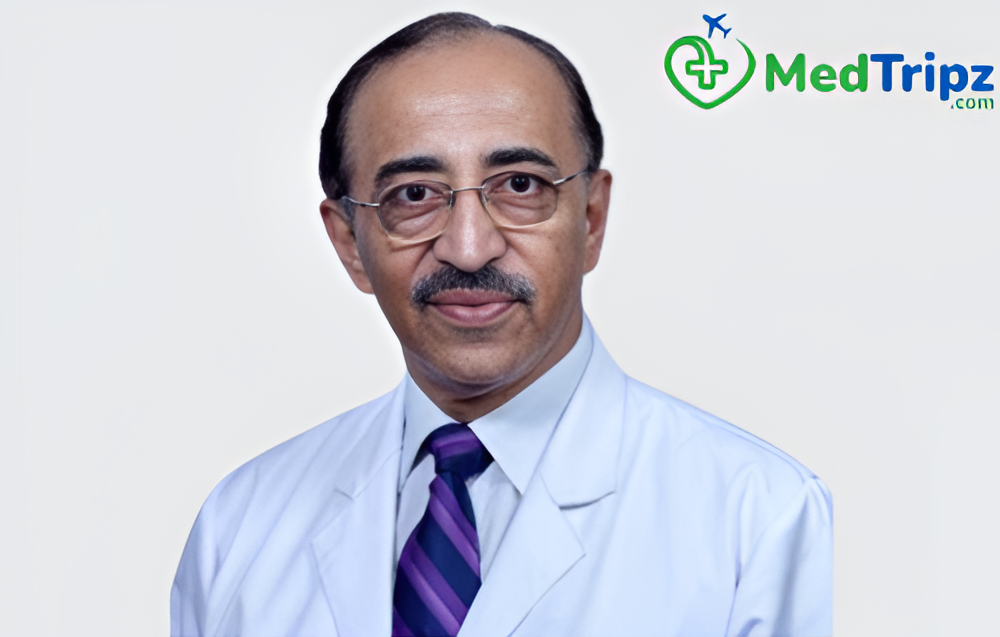
DIRECTOR PLASTIC SURGERY

MBBS, MS - General Surgery, MCh - Plastic Surgery, Aesthetic & Reconstructive Surgery

MBBS, MS - General Surgery, MCh - Plastic Surgery Plastic Surgeon
MedTripz acts as a medical tourism facilitator, helping international patients navigate treatment planning in India.
Its coordination may include arranging specialist consultations, sharing relevant medical records, obtaining treatment estimates, explaining package inclusions, and assisting with medical travel logistics. Visa guidance, accommodation coordination, and language support may also be available depending on the arrangements.
The treating surgeon is responsible for determining suitability, explaining risks, obtaining consent, performing the procedure, and directing recovery. MedTripz does not guarantee a specific aesthetic result or final treatment cost.
The MedTripz page lists indicative estimates of USD 2,500 to USD 3,500. The final cost depends on technique, anesthesia, facility fees, and postoperative services.
The procedure may take approximately one to three hours, depending on the surgical approach and complexity.
No. A brow lift repositions the eyebrows and forehead tissues. Eyelid surgery addresses specific concerns involving eyelid skin or structures. A specialist can determine which procedure is appropriate.
Many patients resume non-strenuous activities within one to two weeks, although swelling, numbness, and scar maturation can take longer.
Results can be long-lasting, but natural ageing continues and the brows may descend gradually over time.
All surgical incisions produce scars. Their visibility depends on incision placement, healing, hair characteristics, and individual scar formation.
Yes. MedTripz can help coordinate consultations, quotations, and medical travel arrangements for international patients seeking care in India.
Choosing brow lift surgery requires careful assessment of facial anatomy, realistic expectations, and an understanding of the potential risks and recovery period.
MedTripz helps international patients explore suitable treatment options, clarify costs, and coordinate their medical journey in India.
Contact MedTripz to request a personalized consultation and treatment estimate.

Faridabad, India

Mumbai, India

Gurugram, India

Honest Guidance, Reliable Support, Seamless Journeys.
Provide Us
Reports


Get Medical
Opinions


Pre-Arrival
Arrangements


Visa
Support


Assistance in
Treatments


Fly back and
Follow Up


