
Procedure Type
SurgicalProcedure Duration
40-60 MinutesHospital Stay (Days)
4-5 DaysA Lap/Open Bilateral Salpingo-Oophorectomy is an operation to remove both fallopian tubes (bilateral salpingectomy) and both ovaries (bilateral oophorectomy). It may be recommended for certain gynaecological conditions or to reduce cancer risk in people with a significantly increased inherited risk. The operation can be performed using laparoscopic keyhole surgery or an open abdominal approach, depending on the diagnosis and surgical plan.
For patients from the Middle East, Africa and CIS, MedTripz helps coordinate medical enquiries, provider communication, cost estimates and travel arrangements in India.
A bilateral salpingo-oophorectomy removes both ovaries and both fallopian tubes. The uterus and cervix are not automatically removed. If a hysterectomy is also recommended, it is a separate part of the surgical plan and should be clearly explained before consent.
The term “Lap/Open” describes the surgical approach:
Laparoscopic approach: The surgeon operates through small abdominal incisions using a camera and specialised instruments.
Open approach (laparotomy): A larger abdominal incision provides direct access to the pelvic organs.
The choice depends on the diagnosis, anatomy, previous surgery and which approach is safest.
A specialist may recommend the operation based on the diagnosis, symptoms, age, family history, genetic risk and reproductive plans.
It may be considered for selected ovarian masses or recurrent cysts when removal of both ovaries and tubes is clinically appropriate. It may also be required in certain severe cases involving endometriosis, pelvic inflammatory disease or a tubo-ovarian abscess when other options are unsuitable.
Ovarian torsion occurs when an ovary twists around its supporting structures and blood supply. Emergency surgery may be required. Whether the ovary can be preserved depends on its condition; removal of both ovaries and tubes is not automatically necessary in every case.
The operation may form part of treatment for selected ovarian or fallopian tube cancers. The exact surgery depends on diagnosis, pathology and the specialist's plan. People with certain inherited genetic changes, including BRCA1 or BRCA2 variants, may be offered risk-reducing surgery after counselling. It can substantially reduce ovarian and fallopian tube cancer risk, but cannot eliminate every possibility of related cancer.
Assessment includes a review of symptoms, medical and family history, previous operations and reproductive goals. Depending on the diagnosis, tests may include:
Pelvic examination and ultrasound.
MRI or CT imaging when further information about a mass or pelvic anatomy is needed.
Blood tests and tumour markers when clinically indicated.
Genetic counselling and testing if inherited risk is suspected.
Pre-operative blood tests, ECG or anaesthesia assessment based on general health.
Review of medicines, allergies, blood thinners and previous anaesthesia reactions.
If cancer is suspected, additional investigations and specialist planning may be needed. Ask whether the surgical plan could change based on findings.
Through small abdominal incisions, the surgeon inserts a camera and instruments to remove both ovaries and tubes. Laparoscopy often means smaller wounds and quicker recovery, but may not be suitable for a large mass, extensive adhesions or other complex findings.
Open surgery uses a larger incision when wider access is needed or keyhole surgery is unsuitable. Recovery is generally longer.
The possibility of changing to an open approach should be discussed before consent.
The team monitors pain, bleeding, vital signs and mobility. MedTripz lists a general hospital stay of 4–5 days, but the hospital must confirm the expected stay for each patient.
Before discharge, patients receive wound-care, medication and follow-up instructions. Removed tissue may be sent for laboratory examination.
Removing both ovaries before natural menopause causes an immediate drop in ovarian hormones and brings on surgical menopause. Symptoms may include hot flashes, night sweats, sleep disturbance, mood changes, vaginal dryness and reduced sexual desire.
Longer-term effects can include reduced bone density and cardiovascular changes. Discuss symptom management and whether hormone replacement therapy is suitable for your medical history.
Removing the fallopian tubes alone does not cause menopause; removal of both ovaries does.
After both ovaries and fallopian tubes are removed, natural conception using the patient's own eggs is no longer possible. If the uterus remains healthy, carrying a pregnancy may sometimes be possible using previously preserved eggs or embryos, subject to medical and legal considerations.
Discuss fertility preservation before surgery if future biological children are important. Egg or embryo freezing may be options when time and medical circumstances allow, but urgent surgery should not be delayed if unsafe.
Possible complications include bleeding, infection, blood clots, anaesthesia-related problems, injury to the bladder, bowel, ureters or blood vessels, and postoperative adhesions. Blood transfusion or further surgery may occasionally be required. When cancer is suspected, handling or rupture of a mass is an additional surgical consideration.
Discuss individual risks, expected benefits and alternatives before consent.
Recovery varies. Light activities may resume sooner after laparoscopic surgery, while open surgery usually requires more time. Avoid heavy lifting, strenuous exercise and sexual activity until the surgeon confirms healing is adequate. Follow wound-care and medication instructions.
Seek urgent medical advice for fever, worsening abdominal pain, heavy bleeding, wound redness or discharge, persistent vomiting, difficulty passing urine, chest pain, breathlessness or painful leg swelling.
International patients should not book a return flight based only on a standard recovery estimate. The surgeon must confirm fitness to fly, considering the operation, mobility, clot risk and any complications.
The Lap/Open Bilateral Salpingo-Oophorectomy Cost in India depends on the surgical approach, diagnosis, complexity, hospital stay, anaesthesia, investigations and whether additional procedures are needed.
MedTripz currently lists these indicative costs:
These are planning estimates, not a guaranteed package price. Request an itemised quotation covering surgeon and hospital fees, anaesthesia, tests, medicines, room charges, pathology and follow-up. Additional procedures, intensive care or extended admission may change the total. Travel and accommodation are generally separate unless specifically included.
When comparing providers in India, consider relevant surgical experience, emergency support, diagnostic services, transparent pricing and continuity of care—not cost alone.
Patients from the Middle East, Africa and CIS should obtain a clear plan before travelling, including expected admission, recovery, pathology arrangements and follow-up requirements.
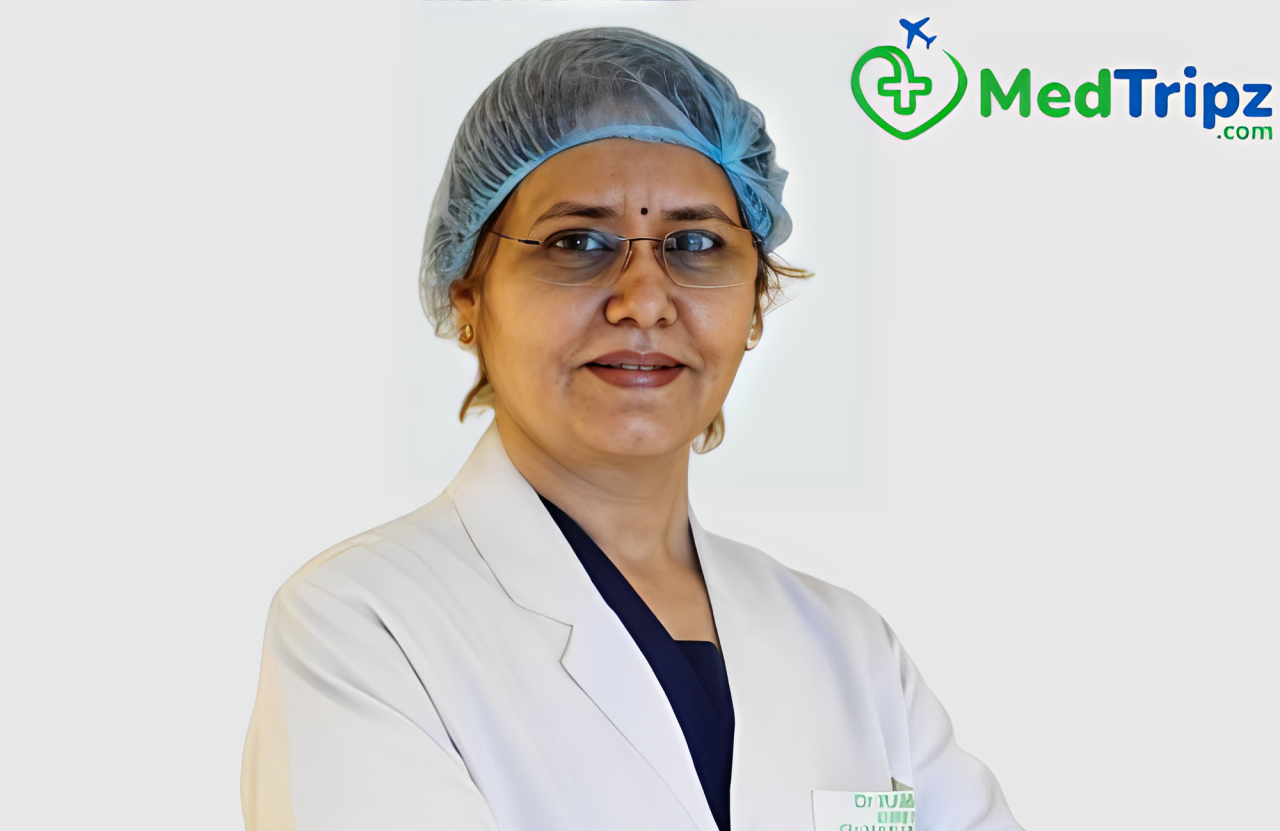
PRINCIPAL DIRECTOR GYNAE ONCOLOGY

Senior Consultant, Gynaecological Oncology
MedTripz is a medical tourism facilitator, not a healthcare provider. We help international patients organise reports, coordinate enquiries with providers, request estimates and arrange appointments. Where available, support may include travel and visa guidance, accommodation coordination, transfers and follow-up communication.
We help clarify quotation inclusions. Diagnosis, surgery and post-operative care remain the responsibility of the selected healthcare professionals.
No. It removes both ovaries and both fallopian tubes. The uterus and cervix are removed only if a separate hysterectomy is also planned.
If both ovaries are removed before natural menopause, surgical menopause begins immediately. Discuss symptom management and hormone therapy suitability with the specialist.
No. The approach depends on the mass, anatomy, previous surgery, adhesions and safety. Open surgery or conversion to an open approach may be necessary.
Natural conception using your own eggs is not possible. If the uterus remains, pregnancy may sometimes be possible using previously frozen eggs or embryos, subject to medical assessment.
The MedTripz listing shows an indicative range of USD 6,000–7,200. The final cost depends on the surgical approach, diagnosis, hospital services and additional treatment.
No. MedTripz coordinates enquiries, provider communication, estimates and travel support. The selected hospital and surgical team provide medical care.
A bilateral salpingo-oophorectomy is a significant decision because it affects reproductive capacity and, when both ovaries are removed before menopause, hormone levels. Understanding the reason for surgery, available approaches, recovery and long-term implications helps patients make informed decisions.
MedTripz supports international patients from the Middle East, Africa and CIS with treatment coordination and practical planning in India. Share your medical reports to request an initial review and an individualised cost estimate.

New Delhi, India

Mumbai, India

Gurugram, India

Honest Guidance, Reliable Support, Seamless Journeys.
Provide Us
Reports


Get Medical
Opinions


Pre-Arrival
Arrangements


Visa
Support


Assistance in
Treatments


Fly back and
Follow Up


