
Procedure Type
SurgicalProcedure Duration
30 Min - 1 HoursHospital Stay (Days)
3 - 4 WeeksBone marrow transplant in India offers international patients access to specialized stem cell transplantation, experienced hematology teams, and advanced transplant facilities at competitive costs. This treatment helps restore healthy blood cell production in patients with certain blood cancers, bone marrow disorders, and inherited blood conditions.
India has become an established destination for hematopoietic stem cell transplantation, combining modern medical infrastructure with comprehensive patient care.
For patients from the Middle East, Africa, and CIS countries, MedTripz simplifies the treatment journey through hospital selection, specialist consultations, donor evaluation coordination, cost estimates, and medical travel assistance.
A bone marrow transplant (BMT), medically known as hematopoietic stem cell transplantation (HSCT), replaces damaged or dysfunctional blood-forming stem cells with healthy ones.
Bone marrow produces red blood cells, white blood cells, and platelets. When this process is disrupted by certain diseases or intensive treatments, transplantation may help restore blood cell production.
Healthy stem cells are infused into the bloodstream through an intravenous catheter. They travel to the bone marrow, where they can begin producing new blood cells.
The transplant itself does not involve replacing bone tissue.
Doctors may recommend transplantation for selected patients with:
Leukemia
Lymphoma
Multiple myeloma
Severe aplastic anemia
Myelodysplastic syndromes
Thalassemia
Sickle cell disease
Certain inherited immune disorders
Not every patient with these conditions requires transplantation.
Eligibility depends on disease characteristics, previous treatments, overall health, donor availability, and expected benefits.
An autologous transplant uses the patient's own previously collected stem cells.
These cells are stored and returned after intensive treatment. Donor matching is unnecessary.
An allogeneic transplant uses healthy stem cells from another person.
The donor may be a matched sibling, another relative, or an unrelated individual.
A haploidentical transplant uses stem cells from a partially matched family donor.
This approach may expand donor options when a fully matched donor is unavailable.
An unrelated donor transplant uses stem cells from a compatible individual identified through a donor registry.
Availability, compatibility, and collection arrangements influence the treatment timeline.
The Bone Marrow Transplant Cost in India varies according to transplant type, donor requirements, hospital facilities, and potential complications.
These are indicative figures published by MedTripz. They are not fixed prices for every transplant type. Unrelated-donor procedures or complicated admissions may cost substantially more.
Transplant Type: Autologous and donor-based transplants involve different preparation and monitoring requirements.
Donor Matching: HLA testing, donor searches, and stem cell collection may increase expenses.
Conditioning Treatment: Chemotherapy and other preparatory treatments affect overall costs.
Hospitalization: Longer admissions increase accommodation, nursing, and medication expenses.
Complications: Infections, graft-related problems, or intensive care can significantly increase costs.
Follow-Up: Laboratory tests, medications, and extended accommodation contribute to total expenditure.
Patients should request a written quotation explaining:
Initial specialist evaluation
Routine investigations
Stem cell collection and processing
Conditioning treatment
Stem cell infusion
Standard inpatient care
Routine medications
Post-transplant monitoring
Donor registry charges, complications, blood products, intensive care, and accommodation may be billed separately.
MedTripz helps patients compare quotations and understand potential additional expenses.
Specialists assess the patient's diagnosis, organ function, infection status, and suitability for transplantation.
For donor-based transplantation, HLA testing helps identify a suitable donor.
Stem cells may be collected from peripheral blood, bone marrow, or umbilical cord blood.
Patients receive chemotherapy, sometimes combined with radiation, to prepare the body for transplantation.
The treatment intensity depends on the medical condition and transplant plan.
Collected stem cells are infused through an intravenous catheter.
The infusion resembles a blood transfusion and generally does not require surgery or general anesthesia.
Doctors monitor blood counts to determine when transplanted stem cells begin producing new blood cells.
Supportive care continues throughout this vulnerable recovery period.
Donor compatibility is particularly important for allogeneic transplantation.
Human leukocyte antigen (HLA) testing helps specialists assess whether donor and recipient tissues are sufficiently compatible.
Potential donor sources include matched siblings, partially matched relatives, unrelated donors, and cord blood.
Patients traveling with family donors should arrange testing and documentation before departure whenever possible.
MedTripz can coordinate communication with transplant centers regarding donor evaluation requirements.
Recovery requires careful monitoring because the immune system may remain weakened for an extended period.
MedTripz indicates an approximate hospital stay of three to four weeks.
Actual hospitalization depends on engraftment, infections, complications, and transplant type.
Patients may experience fatigue, nausea, mouth sores, appetite changes, or weakness.
Regular blood tests help monitor recovery.
Immune recovery may take several months or longer, particularly after donor-based transplantation.
Patients may require medications, vaccinations, nutritional guidance, and regular specialist appointments.
International travel should only resume after medical clearance.
Bone marrow transplantation is a complex treatment with potentially serious complications.
These include:
Severe infections
Bleeding
Graft failure
Organ complications
Infertility
Disease recurrence
Graft-versus-host disease (GVHD)
GVHD can occur after donor-based transplantation when donor immune cells attack the recipient's tissues.
Symptoms may affect the skin, digestive system, liver, and other organs.
Patients should seek immediate medical advice for fever, breathing difficulties, severe diarrhea, or unusual bleeding.
Transplant outcomes depend on the underlying disease, disease stage, patient age, donor compatibility, and transplant-related complications.
Success cannot be represented accurately by one percentage for every patient.
Patients should request condition-specific outcome information from their transplant specialist, including expected benefits, treatment-related mortality, and long-term follow-up requirements.
Selected hospitals provide dedicated transplantation units, infection-control measures, and supportive care services.
Transplant programs involve hematologists, transplant specialists, nursing teams, laboratory professionals, and supportive care providers.
HLA testing, stem cell processing, and specialized blood investigations support transplant planning.
India offers competitive treatment costs, allowing international patients to evaluate specialized transplant services alongside their financial requirements.
Patients should prioritize transplant expertise, infection-control standards, and follow-up arrangements when selecting a hospital.
Patients from the Middle East, Africa, and CIS countries often need assistance coordinating complex transplantation arrangements.
MedTripz supports international patients with:
Medical record review coordination
Transplant specialist consultations
Hospital selection assistance
Preliminary treatment quotations
Donor evaluation coordination
Medical visa guidance
Accommodation arrangements
Interpreter coordination
Post-transplant follow-up planning
Patients should share their diagnosis, previous treatment records, laboratory reports, and available donor information.
Because transplantation requires prolonged monitoring, patients should plan for accommodation near the treatment facility after discharge.
Travel timing depends on immune recovery, complications, and the treating specialist's assessment.
Patients should establish follow-up arrangements with a qualified hematologist in their home country before departure.

PRINCIPAL DIRECTOR & CHIEF HEMATOLOGY
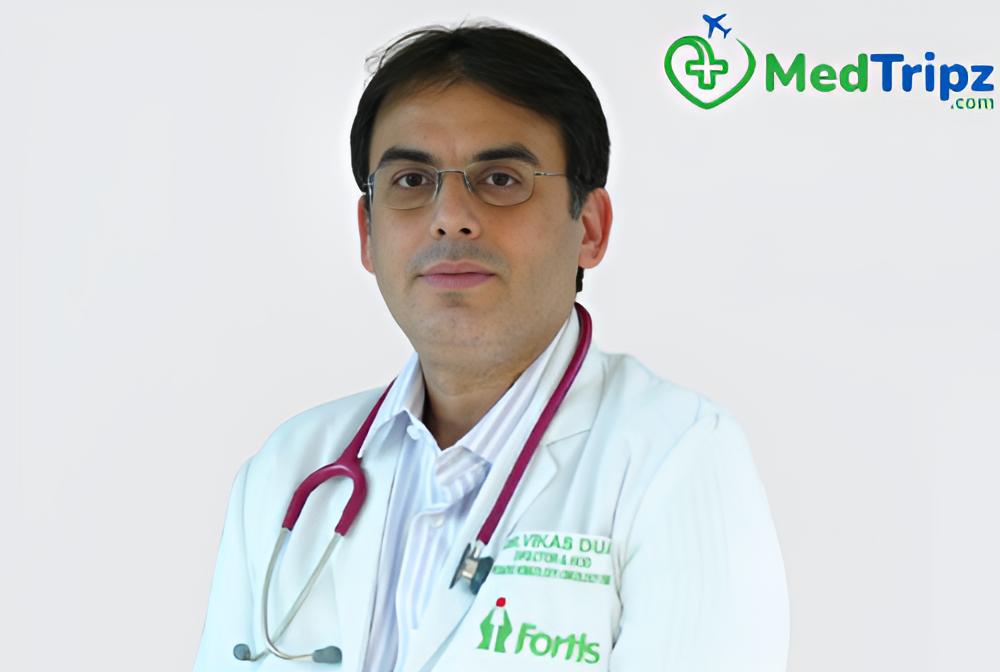
PRINCIPAL DIRECTOR & PAEDIATRIC HEMATOLOGY

Director, Department of Hemato-Oncology & Bone Marrow Transplant
MedTripz acts as a medical tourism facilitator, helping international patients organize specialized treatment abroad.
Personalized Coordination: Assistance based on individual transplant requirements.
Hospital Selection: Support identifying suitable transplantation facilities.
Cost Transparency: Help reviewing quotations and possible additional expenses.
Medical Travel Assistance: Coordination of accommodation and relevant travel arrangements.
Follow-Up Support: Assistance communicating with treatment teams after discharge.
All clinical decisions remain the responsibility of qualified transplant specialists.
MedTripz lists indicative costs between USD 14,000 and USD 50,000, with an average of USD 20,500. Actual costs depend on transplant type and medical complexity.
No. Autologous transplantation uses the patient's own stem cells, while allogeneic transplantation requires a donor.
The stem cell infusion itself is generally painless. Conditioning treatment and recovery can cause significant side effects.
Initial hospitalization often lasts several weeks, while complete immune recovery may take months or longer.
Yes. MedTripz can help coordinate preliminary discussions with transplant centers regarding donor compatibility testing.
If you or a family member has been advised to consider stem cell transplantation, specialist evaluation can help determine the appropriate treatment approach.
MedTripz assists international patients with transplant consultations, hospital coordination, cost estimates, donor-related arrangements, and medical travel planning.
Contact MedTripz today to explore bone marrow transplant options in India and receive personalized treatment cost guidance.

Gurugram, India

Gurugram, India

Gurugram, India

Honest Guidance, Reliable Support, Seamless Journeys.
Provide Us
Reports


Get Medical
Opinions


Pre-Arrival
Arrangements


Visa
Support


Assistance in
Treatments


Fly back and
Follow Up


