
Procedure Type
SurgicalProcedure Duration
1-2 HoursHospital Stay (Days)
5 DaysVagus Nerve Stimulation (VNS) is an implanted neuromodulation therapy that delivers controlled electrical impulses to the vagus nerve through a pulse generator placed beneath the skin of the chest. For selected people with drug-resistant epilepsy, it may help reduce seizure frequency or severity when prescribed as an additional treatment. The device, its battery type and its expected maintenance requirements should be confirmed before treatment.
For patients travelling from the Middle East, Africa and CIS countries, India offers access to neurosurgical assessment, implant procedures and device follow-up. MedTripz helps international patients coordinate the process, understand the proposed treatment plan and obtain a personalised cost estimate.
VNS surgery involves placing a small pulse generator under the skin, usually in the upper chest, and connecting it to the left vagus nerve in the neck with a thin, insulated lead. The generator sends programmed electrical signals through the lead. These signals travel along the vagus nerve and influence brain networks involved in seizure activity.
The existing MedTripz page describes a rechargeable battery-powered generator. However, battery technology varies by device and manufacturer. Established VNS systems commonly use sealed batteries that cannot be recharged while implanted; when depleted, the generator is replaced through a further procedure. Patients should not assume that a VNS generator is rechargeable unless the exact model's official documentation confirms it. This distinction is important when comparing VNS with other implanted neurostimulation systems.
VNS is most commonly considered for people with epilepsy whose seizures remain inadequately controlled despite appropriate anti-seizure medicines, or who cannot tolerate medication effectively. It may be discussed when a specialist considers VNS a suitable additional option after reviewing the person's seizure history and previous treatment.
VNS is not appropriate for every patient and does not guarantee seizure freedom. It is generally used alongside prescribed medication rather than as an automatic replacement for it. A neurologist or epilepsy specialist, working with a neurosurgical team, determines suitability after reviewing the complete clinical picture.
Before recommending implantation, the treating team reviews previous diagnoses, seizure descriptions, medication history, earlier procedures and the patient's general health. Existing investigation reports may include EEG recordings, brain MRI or other tests selected by the specialist. The purpose is to confirm the diagnosis, understand previous treatment response and assess whether VNS is a reasonable option.
The team should also review heart and breathing conditions, previous neck or chest surgery, implanted medical devices, allergies and medicines that may affect anaesthesia or bleeding. Patients should bring original reports, current prescriptions, device cards for any existing implants and a summary of previous treatment.
VNS implantation is usually performed under general anaesthesia. The surgeon makes a small incision in the chest to create a pocket for the pulse generator and another incision in the neck to access the vagus nerve. A flexible lead is positioned around the nerve and connected to the generator beneath the skin.
The system is checked before the incisions are closed. The operation commonly takes around one to two hours, although the exact duration depends on the patient's anatomy, device and surgical circumstances. The initial generator settings and activation schedule are decided by the treating team. In many cases, stimulation is not started immediately; the specialist activates and adjusts it at a planned follow-up appointment after the surgical site has begun to heal.
The pulse generator is the component that produces electrical stimulation. Its battery life is influenced by the device model and programmed settings, including stimulation strength, frequency, pulse duration and additional features. Higher energy use can shorten battery longevity.
A key point for patients comparing a VNS rechargeable battery cost in India is to verify exactly what is being offered. Many established VNS generators have non-rechargeable internal batteries. These are monitored during follow-up, and the generator is replaced when the battery approaches depletion. Routine generator replacement does not always require removal of the lead if the lead remains functional, but the surgeon decides this after assessment.
Before agreeing to a device, ask for the manufacturer, model, battery type, expected battery life at the planned settings, warranty, availability of programming support and the likely cost of future generator replacement. If a provider proposes a rechargeable VNS model, request written manufacturer information confirming how charging works and whether any external charging equipment is required.
VNS therapy is individualised. A specialist uses a programming device to set stimulation parameters and may adjust them gradually according to seizure response and side effects. Improvement may take time and should be assessed over months rather than assumed immediately after surgery.
Follow-up appointments are important to review symptoms, check the generator and lead, monitor battery status and adjust stimulation when appropriate. Patients should continue prescribed anti-seizure medicines unless their treating clinician changes the plan. They should also carry their implant identification details and tell healthcare professionals about the VNS device before MRI scans, operations or other medical procedures. MRI safety depends on the specific system and the manufacturer's conditions.
For appropriately selected patients, VNS may reduce seizure frequency, seizure duration or recovery time after seizures. Some patients or caregivers may notice improvements in daily functioning, but results vary. VNS is not a cure, does not work equally for everyone and may not eliminate the need for medication or other epilepsy care.
The potential advantage of a longer-lasting generator is fewer battery-related replacement procedures over the device's lifetime. However, battery longevity depends on the actual model and settings. A rechargeable feature should not be presented as a standard benefit unless confirmed for the proposed VNS system.
As with any operation, VNS implantation carries risks such as infection, bleeding, pain, anaesthesia-related complications and injury to nearby structures. Lead or generator problems may require further assessment or surgery.
Stimulation-related effects can include hoarseness or voice changes, coughing, throat discomfort, tingling, shortness of breath or swallowing difficulty. These effects may improve over time or after the specialist adjusts the settings. Rare but important concerns can include changes in heart rhythm or worsening sleep-related breathing problems. Patients should promptly report new or worsening symptoms to their treating team.
After surgery, the clinical team monitors the wound, pain, general condition and device function. The length of hospital stay depends on recovery, medical history and the treating centre's protocol. Patients receive instructions about wound care, activity restrictions, follow-up and when stimulation will be activated.
Before travelling home, international patients should obtain a discharge summary, implant details, device identification card, programming information, medication plan and a written follow-up schedule. They should confirm who can provide device checks and programming after returning to their home country.
The total VNS surgery cost in India depends on the pulse generator model, battery technology, lead and accessories, surgeon and anaesthesia fees, hospital stay, investigations, medicines and post-operative programming. Costs may also differ if the procedure involves replacing an existing generator rather than a first-time implantation.
A reliable estimate should specify the exact device model and what is included. Patients should request an itemised quotation covering the implant, surgery, hospital charges, diagnostic tests, follow-up programming and any likely additional expenses. Future generator replacement and long-term device checks should be discussed separately.
MedTripz can help collect and explain estimates from suitable treatment providers. The final quotation is issued by the treating hospital after reviewing medical records and confirming the proposed device and treatment plan.
India is an established destination for patients seeking specialist medical care, access to modern hospital infrastructure and treatment options at costs that may be more affordable than in some other countries. The appropriate choice depends on the patient's clinical needs, the device available, the experience of the treating team and the quality of long-term programming and follow-up arrangements.
For VNS, affordability should be assessed alongside device suitability, manufacturer support, implant availability and continuity of care. A lower initial quotation may not represent the best overall value if it excludes programming, follow-up or future device-related expenses.
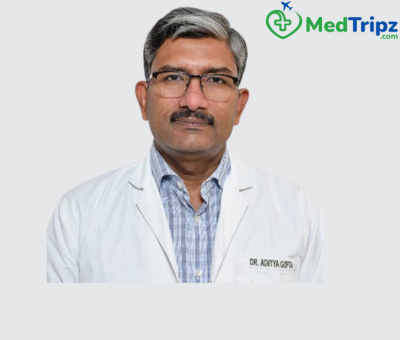
Chief Neurosurgery & CNS Radiosurgery & Co Chief Cyberknife

EXECUTIVE DIRECTOR & HOD NEURO SURGERY

MBBS, MS - General Surgery, MCh - Neuro Surgery Neurosurgeon,Spine Surgeon (Neuro)
MedTripz acts as a medical tourism facilitator for international patients. We help organise medical records for review, coordinate communication with relevant treatment providers, request treatment plans and cost estimates, and explain the practical steps involved in arranging care in India.
Our support can include assistance with appointment coordination, travel and accommodation planning, visa-related guidance and communication during the treatment journey. The treating specialists remain responsible for diagnosis, device selection, surgical decisions and medical care. We encourage patients to clarify the exact generator model, battery type and long-term follow-up plan before confirming treatment.
Not all VNS generators are rechargeable. Many established systems use sealed batteries that cannot be recharged while implanted. Confirm the exact model and manufacturer's instructions before relying on a rechargeable feature.
Battery life varies with the generator model and stimulation settings. The treating specialist monitors battery status and advises when replacement may be needed.
No. VNS is an additional therapy that may reduce seizure frequency or severity in some patients. It does not guarantee seizure freedom and usually does not replace anti-seizure medication.
The implantation procedure commonly takes around one to two hours, but the actual time depends on the patient's circumstances and surgical plan.
In some cases, the generator can be replaced while the existing lead remains in place. The lead must be checked, and the surgeon will decide whether it can safely continue to be used.
Patients should obtain their discharge summary, device model and serial details, implant card, programming records, medication instructions and a follow-up plan. They should identify a qualified local clinician or centre for ongoing device checks.
If you are exploring VNS surgery in India, MedTripz can help you organise a medical review and understand the proposed device, treatment plan and estimated expenses. Share your medical reports and previous treatment details to begin coordinating your care. Final eligibility, device selection and treatment decisions are made by the treating medical team.

New Delhi, India

Gurugram, India

Honest Guidance, Reliable Support, Seamless Journeys.
Provide Us
Reports


Get Medical
Opinions


Pre-Arrival
Arrangements


Visa
Support


Assistance in
Treatments


Fly back and
Follow Up


