
Тип процедуры
SurgicalПродолжительность процедуры
3-4 HoursДни пребывания в больнице
5 DaysDeep brain stimulation (DBS) with a rechargeable battery is an option for selected patients who need long-term electrical stimulation to manage certain movement-related neurological symptoms. The system includes thin electrodes placed in specific brain areas and an implantable pulse generator (IPG), usually positioned beneath the skin of the chest. Unlike a non-rechargeable system, its battery can be replenished externally without a routine replacement operation.
For international patients considering DBS (Deep Brain Stimulation) Surgery - Rechargeable Battery in India, planning involves more than the operation. It includes confirming clinical suitability, selecting an appropriate device, understanding its charging requirements and arranging long-term programming and follow-up. MedTripz helps coordinate these arrangements while medical decisions remain with the treating specialists.
DBS is a neurosurgical treatment in which electrodes deliver controlled electrical pulses to selected brain circuits. The electrodes connect through extension wires to an IPG, which generates the stimulation. The pulse generator is commonly implanted under the skin near the collarbone, although its position depends on the device and surgical plan.
A rechargeable IPG can be charged externally using a dedicated wireless charging system. The patient positions the charger over the implanted unit according to the manufacturer's instructions. Charging frequency and session duration vary with the device model and the electrical settings required for treatment.
DBS changes the activity of selected neural circuits; it does not remove or cure the underlying neurological condition. Specialists can adjust stimulation settings over time to improve symptom management and address unwanted effects.
DBS may be considered when certain movement-related symptoms remain disabling despite appropriate medical treatment, or when medication-related fluctuations and side effects become difficult to manage. Conditions evaluated for DBS can include:
Parkinson’s disease: Selected motor symptoms such as tremor, rigidity, slowness, wearing-off periods or medication-related dyskinesia.
Essential tremor: Tremor that significantly affects activities such as eating, writing or dressing and has not responded adequately to medication.
Dystonia: Involuntary muscle contractions and abnormal postures in appropriately selected cases.
Not everyone with these conditions is suitable for DBS. The pattern of symptoms, cognitive function, mental health, general medical condition and expected treatment benefits all influence the decision. Some symptoms may respond less reliably than others, and DBS does not stop the progression of an underlying neurological disorder.
The rechargeable battery is a separate consideration from eligibility for DBS itself. The specialist team considers the patient's ability to manage regular charging, lifestyle, support at home and stimulation requirements before recommending a particular system.
A detailed assessment helps determine whether DBS is appropriate and which device configuration may meet the patient's needs. Evaluation may include:
Reviewing the diagnosis, symptom history, medication schedule and response to previous treatment.
Assessing movement, balance, speech, cognition, mood and daily functioning.
Brain MRI and other imaging, where required, to plan electrode placement.
Reviewing general health, anaesthesia fitness, current medicines and possible surgical risks.
Discussing treatment goals, device options, charging responsibilities and long-term follow-up.
Patients travelling from another country can share available medical records and imaging for an initial specialist review. Additional tests or an in-person assessment may still be required before a final treatment decision.
The exact surgical approach varies according to the patient's condition, device and clinical plan. The main stages generally include:
Surgical planning: Brain imaging helps identify the intended target. Stereotactic equipment or navigation technology may guide the placement of the electrodes.
Electrode implantation: Thin leads are inserted through small openings in the skull and positioned at the planned brain targets. Depending on the surgical approach, the procedure may be performed under general anaesthesia or with the patient awake for selected stages.
Rechargeable IPG placement: Extension wires are passed beneath the skin to connect the brain electrodes to the rechargeable pulse generator, usually implanted in the chest.
System testing and recovery: The surgical team checks the implanted components and monitors the patient after the operation.
Programming and adjustment: A specialist uses an external programmer to configure stimulation settings. Several appointments may be needed to refine the settings according to symptom response and side effects.
The operation may be completed in one session or in stages. The treating team explains the planned sequence, anaesthesia, hospital stay and programming schedule before treatment.
The main practical difference between rechargeable and non-rechargeable DBS systems is how the implanted pulse generator receives power. Rechargeable systems can reduce the frequency of battery-replacement operations, but patients must maintain a regular charging routine.
Charging requirements vary by manufacturer, device model and stimulation settings. Some patients may need short, frequent charging sessions, while others may follow a schedule with longer intervals. Patients should learn how to position the charger, check battery status and respond to low-battery alerts. The exact instructions supplied for the implanted model must always be followed.
Some rechargeable systems are designed to function for many years, with published estimates for certain devices reaching approximately 15–25 years. This is not a guaranteed lifespan: actual performance depends on the model, usage and stimulation requirements.
Before choosing a rechargeable system, patients should discuss:
The expected charging frequency and session duration.
Whether they can operate the charger independently or need caregiver assistance.
How to monitor battery levels and respond to charging alerts.
What to do if the charger is lost, damaged or unavailable.
Device-specific MRI conditions and travel precautions.
How device checks and programming can be arranged after returning home.
A rechargeable IPG may be suitable for someone comfortable with routine device care. A non-rechargeable system may be more practical for a person who cannot reliably manage charging. The choice should be individualized rather than based on battery lifespan alone.
For appropriately selected patients, DBS may reduce specific movement symptoms, improve periods of motor control or lessen the impact of medication-related fluctuations. Medication adjustments may also be possible in some cases, depending on the patient's response and clinical assessment.
The aim is to manage selected symptoms and support daily functioning—not to cure Parkinson’s disease, essential tremor or dystonia. Results differ between individuals and depend on diagnosis, symptom type, disease course, electrode placement and programming. Patients should discuss realistic goals and possible limitations with their specialists before surgery.
DBS involves brain surgery and implantation of medical hardware. Potential risks include bleeding in or around the brain, infection, seizure, stroke, anaesthesia-related complications, headache, confusion, and changes in speech, balance or mood. Device-related complications may include lead movement, wire damage, infection or IPG malfunction. Electrical stimulation can also cause unwanted effects, some of which may be managed by adjusting the settings.
After surgery, patients are monitored in hospital and receive instructions about wound care, activity, medication and warning signs. Hospital stay depends on the individual's recovery and the treating centre's protocol. Device programming and medication review continue after discharge, and regular follow-up is important because stimulation settings may need adjustment.
Patients should seek prompt medical advice if they experience fever, wound redness or discharge, severe or worsening headache, new weakness, seizures, sudden neurological changes or unexpected loss of stimulation accompanied by significant symptom worsening.
The DBS (Deep Brain Stimulation) Surgery - Rechargeable Battery Cost in India depends on the device model, number of electrodes, surgical complexity, hospital facilities, investigations, length of stay, programming sessions and post-operative care.
MedTripz currently lists the following indicative cost estimates:
These figures are reference estimates, not a confirmed quotation or a guarantee of the final bill. A written estimate should clarify whether it includes the rechargeable IPG, electrodes, extension wires, surgery, anaesthesia, hospital stay, diagnostic tests and initial programming. Patients should also confirm whether medicines, additional programming, accommodation, travel and future device-related care are excluded.
India is an established destination for patients seeking specialist medical care and coordinated treatment planning. For DBS, international patients can assess the treating team's experience with functional neurosurgery, access to movement-disorder neurology, availability of suitable device systems, programming support and the overall cost of care.
Affordability should be assessed across the complete treatment pathway rather than by comparing the operation fee alone. Device availability, post-operative programming and continuity of care after returning home are also important. Patients from the Middle East, Africa and CIS should discuss a clear follow-up plan with the treating team before arranging travel.
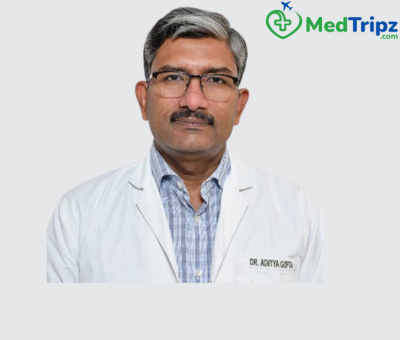
Chief Neurosurgery & CNS Radiosurgery & Co Chief Cyberknife

EXECUTIVE DIRECTOR & HOD NEURO SURGERY

MBBS, MS - General Surgery, MCh - Neuro Surgery Neurosurgeon,Spine Surgeon (Neuro)
MedTripz acts as a medical tourism facilitator, helping international patients navigate the administrative and travel-related steps involved in seeking treatment in India. Support may include:
Collecting medical reports and coordinating their review by relevant specialists.
Arranging consultations and helping patients understand the proposed treatment plan.
Requesting itemized cost estimates and clarifying package inclusions.
Coordinating hospital appointments and treatment-related documentation.
Providing guidance on medical travel, visa documentation and accommodation arrangements.
Helping coordinate discharge information and follow-up communication, including questions about ongoing device programming.
MedTripz does not diagnose neurological conditions, perform surgery or replace the advice of a treating clinician. Eligibility, device selection, surgical decisions and medical care remain the responsibility of qualified healthcare professionals.
The lifespan depends on the device model and stimulation requirements. Some rechargeable systems are designed to last many years, with estimates for certain models reaching approximately 15–25 years. Patients should confirm the expected lifespan of the specific device being considered.
Not necessarily. Charging frequency and duration vary by device and stimulation settings. The treating team provides instructions for the patient's particular system.
Neither option is ideal for everyone. Rechargeable systems may reduce the frequency of battery replacement but require regular charging. Non-rechargeable systems need less charging management but generally require replacement more often.
No. DBS can help manage selected symptoms in suitable patients, but it does not cure Parkinson’s disease or stop its progression.
Yes. MedTripz can help coordinate medical-record review, specialist consultations, cost estimates, hospital appointments and travel-related arrangements. The treating medical team makes the final decision about eligibility and treatment.
If you are considering DBS with a rechargeable battery, MedTripz can help organize the next steps—from sharing medical records for specialist review to understanding device options, estimated costs and follow-up requirements. Contact MedTripz to discuss your reports and receive guidance for planning treatment in India.

New Delhi, India

Gurugram, India

Честные консультации, надежная поддержка, беспроблемные путешествия.
Предоставьте нам
Отчеты


Получить медицинскую помощь
Мнения


До прибытия
Устройства


Виза
Поддержка


Поддержка в
Лечения


Возвращение и
Последующий уход


